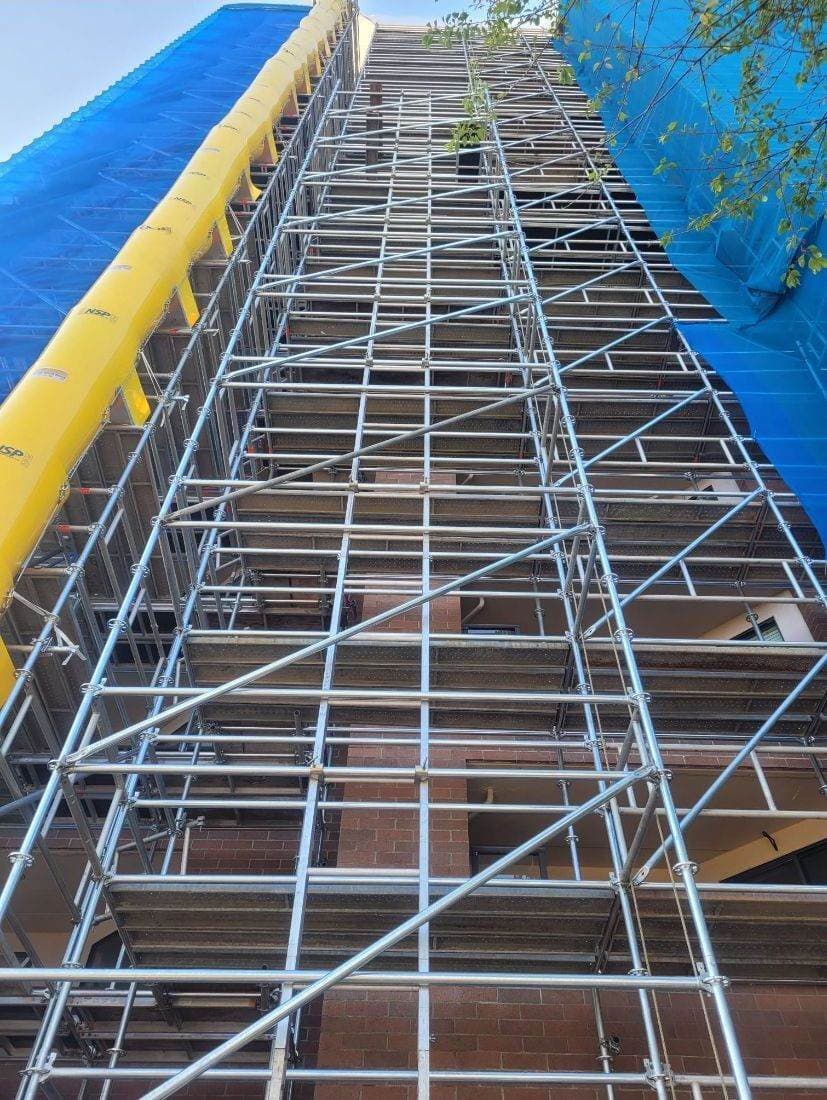
A superintendent in Cloverdale called at ten past six on a Friday. His painting sub had scaffolded a townhouse block with borrowed frames, WorkSafeBC had walked through that morning, and the frames were coming down before Monday. He needed eighteen bays of system scaffold on site by Sunday afternoon with a stamped tie plan and a crew that could stand it up in one shift.
A scaffolding rental in Surrey looks straightforward on paper. It stops looking straightforward the moment the phone rings on a job that can’t wait until Tuesday. Rental price is one line on the quote. Delivery timing, permits, tie strategy, dismantle scheduling, and who’s on the hook for the erection labour are five more. This is where Surrey and Burnaby jobs part ways from a suburban single-family reno, and where the wrong quote structure costs more than the rental itself.
Rental-only yards versus full-service: what the quote is actually pricing
Two contractors can quote the same scaffold and produce numbers thirty percent apart. Usually it isn’t the material rate that’s moving. It’s what the number includes.
A pure rental quote covers the equipment on a per-piece, per-week basis, delivered to a curb the contractor can pull a boom truck up to. Erection, tie-in, engineering, inspection tags, dismantle, and haul-back are the contractor’s problem to sort out with their own crew or a labour broker. If the contractor has a ticketed scaffold crew on staff, that math works. If they don’t, the second phone call after signing the rental is the one that costs them.
A full-service quote wraps the same material in installation labour, ties, a stamped drawing where the scope requires one, weekly inspection, and dismantle at the end. The line-item cost per bay looks higher. The all-in cost per week almost always lands lower, because the erection labour and the coordination overhead were going to happen either way. Bundling them lets the scaffold contractor sequence the crew against their own trucks and material, instead of a rental customer chasing subs on a job clock.
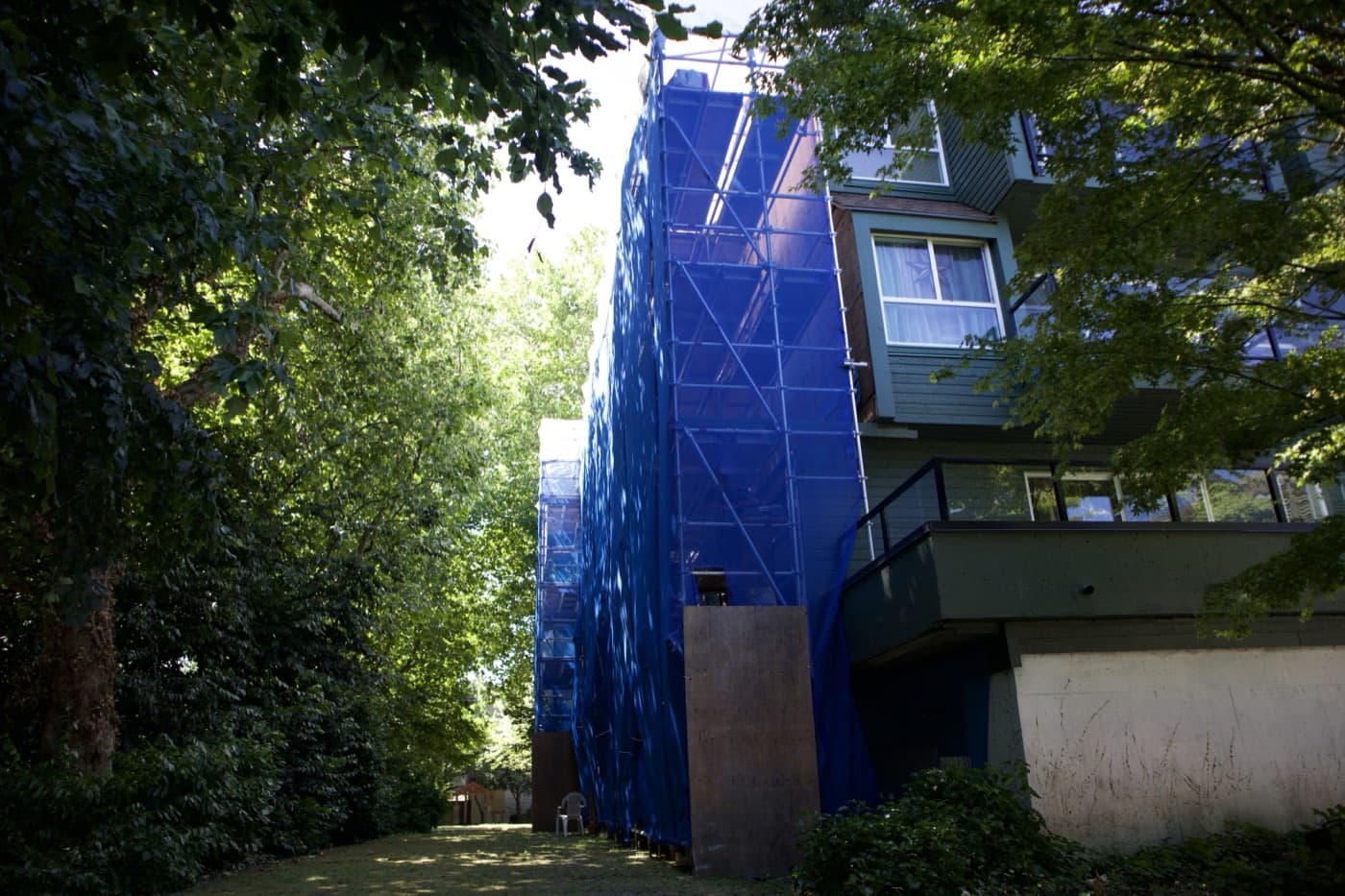
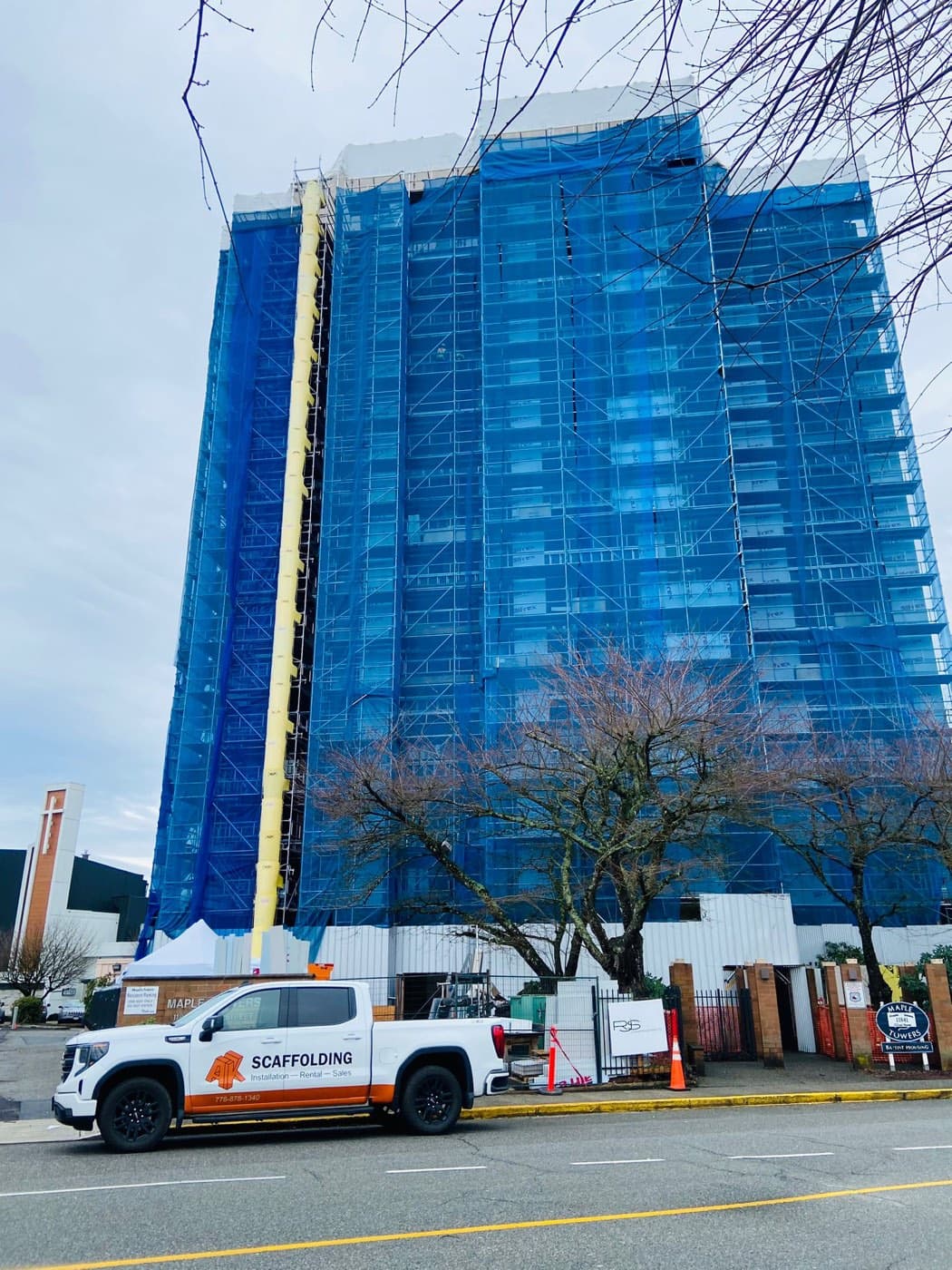
For commercial rental in Surrey and Burnaby, the split usually shakes out the same way. Small envelope repairs, chimney work, a single elevation on a two-storey commercial box, all fit rental-only cleanly. Multi-storey mixed-use, strata restoration, anything with a shrink-wrap enclosure, and anything crossing a property line into City right-of-way move into full-service territory whether the customer starts there or not.
Surrey: permits, street use, and the delivery window problem
Surrey’s permit system for scaffolding on public space runs through the City’s Engineering department. Any scaffold that crosses a sidewalk, blocks parking, or occupies boulevard requires a highway use permit or equivalent approval, plus insurance certificates naming the City of Surrey as additional insured. The process isn’t slow when the paperwork lands together. It gets slow when a scaffold arrives before the permit does.
The delivery window in Surrey is the second friction point. South Surrey, Cloverdale, and Newton have wide arterial access and yards that a five-ton truck with a boom can turn into without a fight. Newton’s older commercial pockets, the Fleetwood corridor around 152nd, and any tight lane behind an older strata are where delivery timing gets expensive. Trucks land in windows the site controls, not the yard, and a missed window pushes the load to the next available slot.
That’s the reason delivery planning matters in a market like this. When a job in Guildford gets a load-in window because the retail tenant needs the curb clear by seven, the yard with the truck and the crew scheduled against that window is the one that keeps the schedule. When a tie-in on a Panorama Ridge shrink-wrap job gets flagged because a fastener pulled out of an anchor, the crew that can get back on site quickly is the one that keeps the job insured.
For Surrey rentals specifically, the site conditions that shift the quote the most are:
- Grade and ground conditions under the base plates. A soft boulevard in North Surrey needs mud sills or a compacted pad that a Cloverdale concrete slab doesn’t.
- Overhead lines. BC Hydro clearance limits are non-negotiable and change what scaffold layouts work against certain elevations.
- Tie substrate. Older townhouse siding in Whalley or Guildford drives the tie plan into structural framing rather than face material, which means engineered drilling and a different anchor rating.
- Adjacent lease-line issues on commercial strips along King George or 88th. If any part of the scaffold crosses to a neighbouring tenant’s frontage, that tenant’s sign-off enters the paperwork stack.
None of those show up on a phone quote until the site visit walks them in. Which is why the rental quotes that hold up under invoicing usually come after a walkthrough, not before.
Burnaby: hillside sites, corner clearance, and multi-storey defaults
Burnaby’s scaffold economics tilt differently. The commercial stock skews taller, the residential is denser, and the topography around Metrotown, Brentwood, and Lougheed forces more scaffolds onto hillside footings. Multi-storey wraps default higher on the height chart because the buildings themselves default higher.
Burnaby’s permit path for occupying public right-of-way runs through the City’s Engineering counter under a similar highway use approval to Surrey’s. The insurance and site-plan documentation is comparable. The material timing differs because Burnaby’s traffic and downtown Metrotown access windows push delivery into off-peak hours more consistently. A yard that plans a Burnaby install without booking those windows loses hours per truck against one that does.
The other Burnaby-specific pattern is engineered work. Curtain-wall envelope repairs on the office towers north of Kingsway, hospital access work at Burnaby General, and strata remediation on the higher Metrotown blocks all trigger stamped drawings under WorkSafeBC’s Occupational Health and Safety Regulation, Part 13. A rental that ships without engineering on the front end lands on a site that needs it, and the schedule stalls while a PEng gets pulled in from wherever the contractor sources one.
Burnaby jobs that stay on schedule almost always share three traits. The engineering was priced in before mobilization. The delivery window was booked against a specific truck slot, not “next available”. And the ties and base plates were designed to the actual substrate the site produced, not to a generic detail.
What a GC should have ready before calling for a quote
The rental quote gets sharper the more the yard knows before the truck loads. On a Surrey or Burnaby commercial job, the information that shortens the quoting cycle is:
- Elevations and drawings. Building height, envelope condition, whatever structural drawings exist for tie substrate. A photo of the elevation from across the street cuts an hour of guessing.
- Duration. Not “a few weeks”. Actual start date, planned strike date, plus a realistic window for weather delays. Rental math runs on weeks; three-week jobs and six-week jobs have different rate structures.
- Access. Where the truck lands. What’s above the delivery point. What time of day the site allows load-in. Whether the boulevard is City or private.
- Scope beyond scaffold. Shrink wrap needed? Debris chute? Material hoist? A single quote that covers the interlocking scope beats three quotes stitched together after the fact.
- Permit status. Whether the highway use permit is already in flight or whether the scaffold contractor is expected to pull it. The contractor doing the pull needs lead time. Confirming that up front prevents a week of dead air.
- Site contact. One number for questions after the crew rolls. On a commercial job with a schedule that matters, the site super’s cell beats a general office line every time.
Yards that quote from that data hand back numbers that stand up when the invoicing starts. Yards that quote from three sentences and a Google Street View shot deliver bigger reconciliations at project close.
Where response time changes the math
Regular business hours cover the market fine when the schedule holds. Nothing about Metro Vancouver construction holds a schedule cleanly through a full year.
Weather windows open on weekends. A dry Sunday in February for exterior painting means the paint sub wants the access reconfigured before the window closes. Inspections get flagged on Fridays. A Friday-afternoon flag on a Coquitlam site means a crew has to fix and re-inspect before Monday’s trades land. Wind events in Delta or Richmond move shrink-wrap panels. Every one of those lands on somebody’s Monday if nobody owns it before then.
The contractor who installed the scaffold, holds the drawing and signs the tag can act on any of that inside the existing contract. A supply-only yard has to be told what to send, then scheduled, then invoiced as a change. For commercial GCs running several sites across Surrey, Burnaby, and the surrounding cities, that difference is the biggest hidden cost in scaffold pricing.
Compliance and safety, plainly
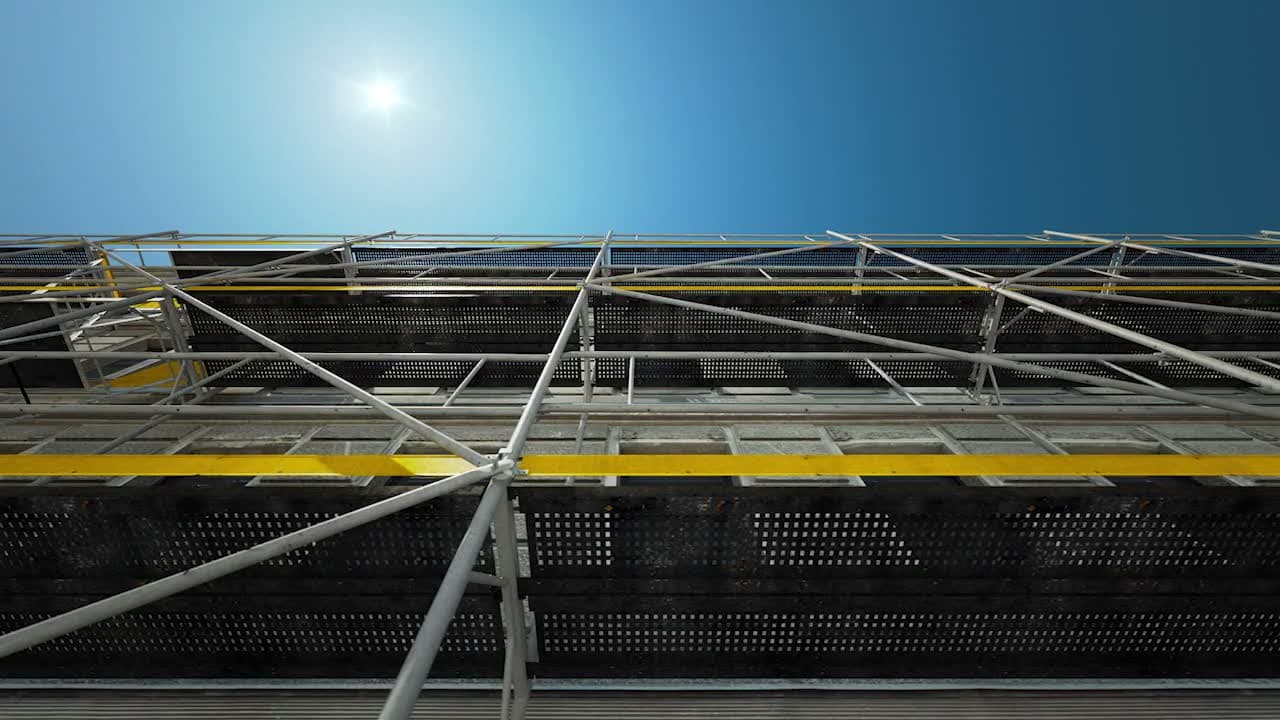
Every scaffold on every commercial site in BC falls under WorkSafeBC’s Occupational Health and Safety Regulation, with Part 13 covering the scaffold-specific requirements. Ticketed erectors, inspection tags, guardrails and midrails, base plates on suitable footing, tie-in plans, and engineered drawings where the scope triggers them. CSA standards feed into the equipment side, including CSA Z797 for access scaffolds.
A scaffold contractor should carry that compliance visibly. Inspection tags dated and signed on the scaffold. Ticketed erectors on the crew. Insurance certificates that match what the GC’s contract requires. A stamped drawing on file for jobs that need one, produced when an officer asks. None of this is optional; all of it is worth asking about before the truck moves.
The direct recommendation
For commercial scaffold rental in Surrey or Burnaby, treat rental-only as the option for narrow, short-duration, single-elevation work where the GC already has ticketed erection labour on staff. For everything above two lifts, everything spanning weeks rather than days, and everything crossing into public right-of-way or shrink-wrap territory, full-service scaffold under one contract will typically land lower on the total cost and higher on the schedule reliability.
Ask the questions early. Site walkthrough before quote. Permit path clarified in the first conversation. Engineering scope confirmed in writing before the first frame ships. A yard that can answer a Sunday phone call built into the relationship, not left as an assumption.
Ready to price your Surrey or Burnaby scaffold
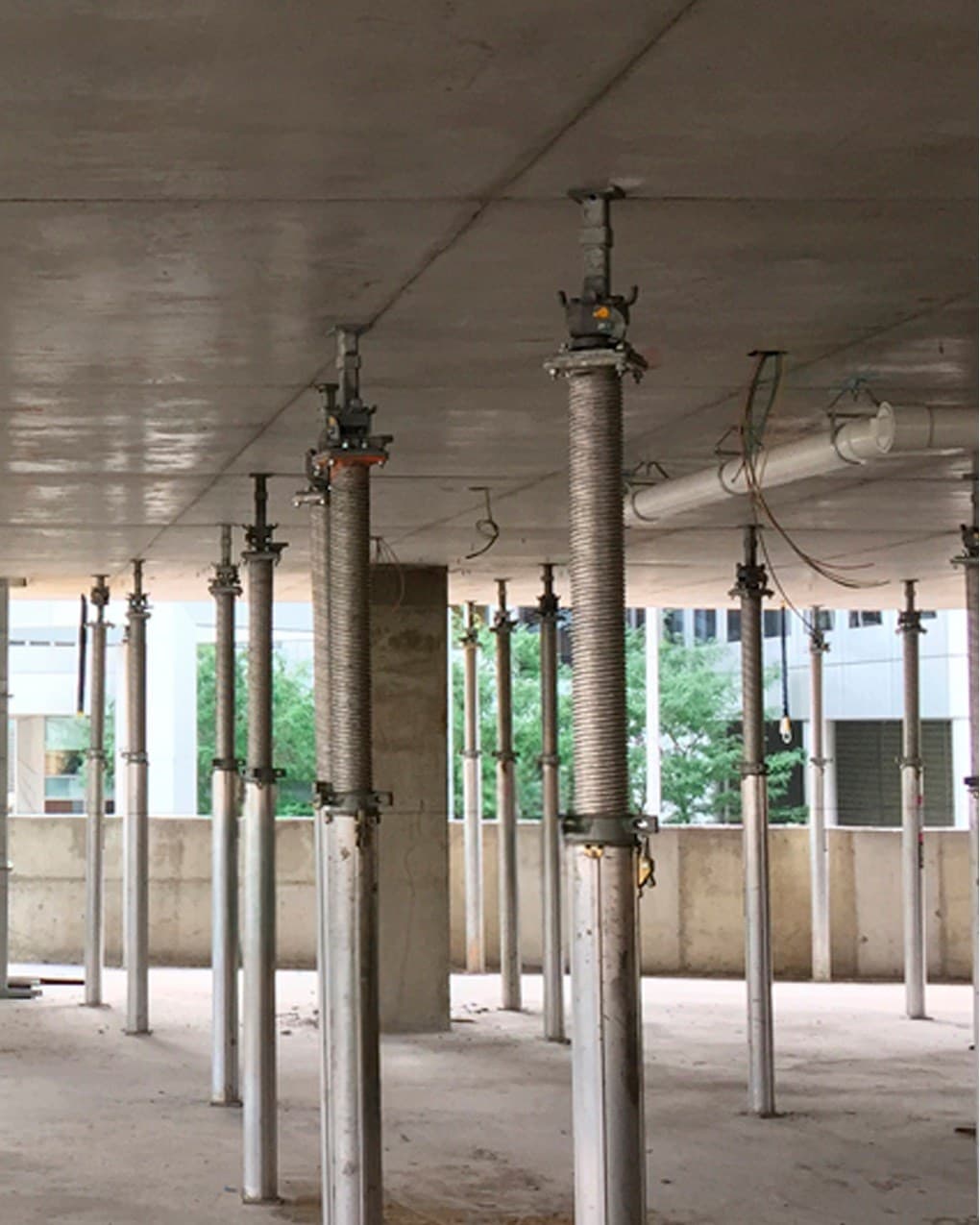
A&K Scaffolding runs a full-service yard out of Delta serving Surrey, Burnaby, and the wider Lower Mainland. Installation, shoring, engineering, shrink wrap, hoists and debris chutes under one contract. Ticketed erectors, WorkSafeBC-compliant inspections, and an estimate back in one to three business days.
Send a scope through the estimate request form or call (778) 375-5349 to talk through a site walkthrough. Weekend and after-hours calls reach a crew, not a machine.
Frequently asked questions
What is the difference between a rental-only quote and a full-service quote?
A rental-only quote covers equipment per piece, per week, delivered to the curb. Erection, ties, engineering, inspection tags, dismantle and haul-back stay with the contractor’s own crew. A full-service quote wraps the same material in installation labour, ties, stamped drawings where the scope needs them, weekly inspection and dismantle. The cost per bay looks higher, but the all-in cost per week almost always lands lower.
Do I need a permit for scaffolding over a Surrey sidewalk?
Yes. In Surrey, any scaffold that crosses a sidewalk, blocks parking or occupies boulevard needs a highway use permit or equivalent approval through the City’s Engineering department, plus insurance certificates naming the City of Surrey as additional insured. Burnaby runs a similar approval through its Engineering counter. The process moves when the paperwork lands together and slows down when the scaffold arrives first.
What site conditions change a Surrey scaffold quote the most?
Four come up again and again. Ground under the base plates, since a soft boulevard needs mud sills or a compacted pad. Overhead lines, where BC Hydro clearance limits change which layouts work. Tie substrate, because older townhouse siding pushes ties into structural framing. And lease lines on commercial strips, where a neighbouring tenant’s sign-off joins the paperwork if the scaffold crosses their frontage.
What should a GC send before asking for a quote?
Elevations and whatever structural drawings exist, an actual start date and planned strike date, and where the truck lands and when load-in is allowed. Add any scope beyond scaffold, such as shrink wrap, a debris chute or a material hoist, the status of the highway use permit, and one site contact number. Quotes built from that data hold up when the invoicing starts.