A site super on a Burnaby high-rise tells the crew: pull the wrap, we’re chasing a weather window. The forecast says 36 hours dry, then six more days of rain. The painters were supposed to start Tuesday. Now they start Saturday at 6 a.m. and they’re working until Monday afternoon.
That’s a pretty normal week in Metro Vancouver from October to March.
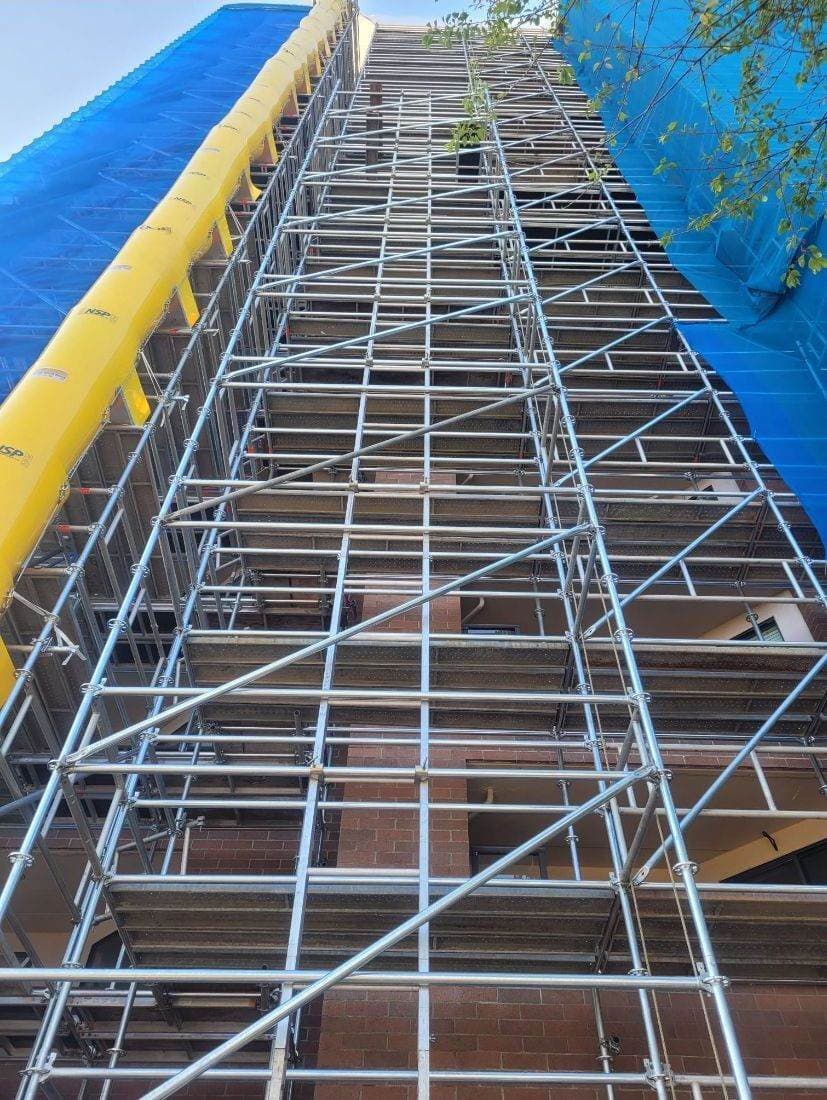
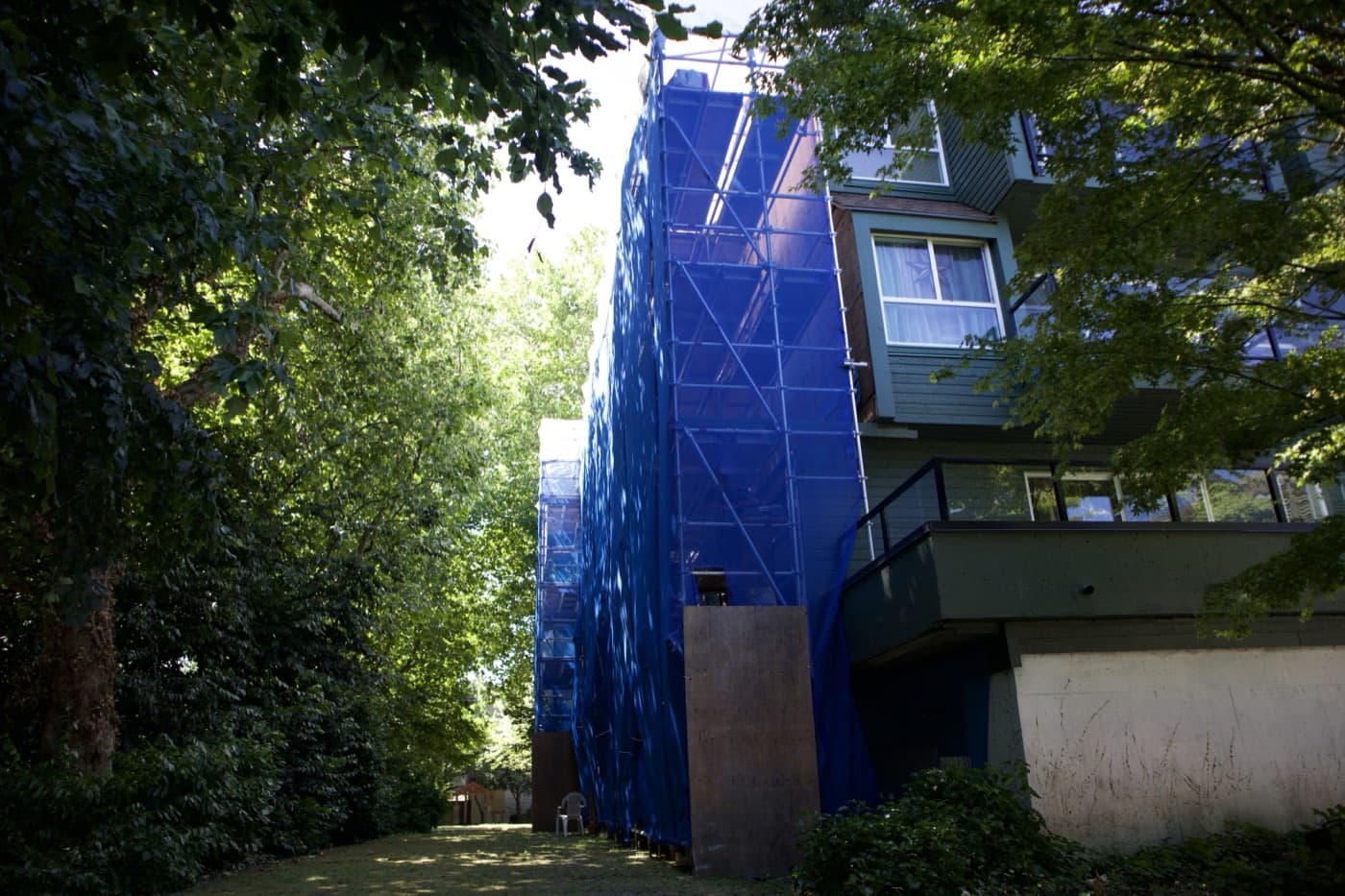
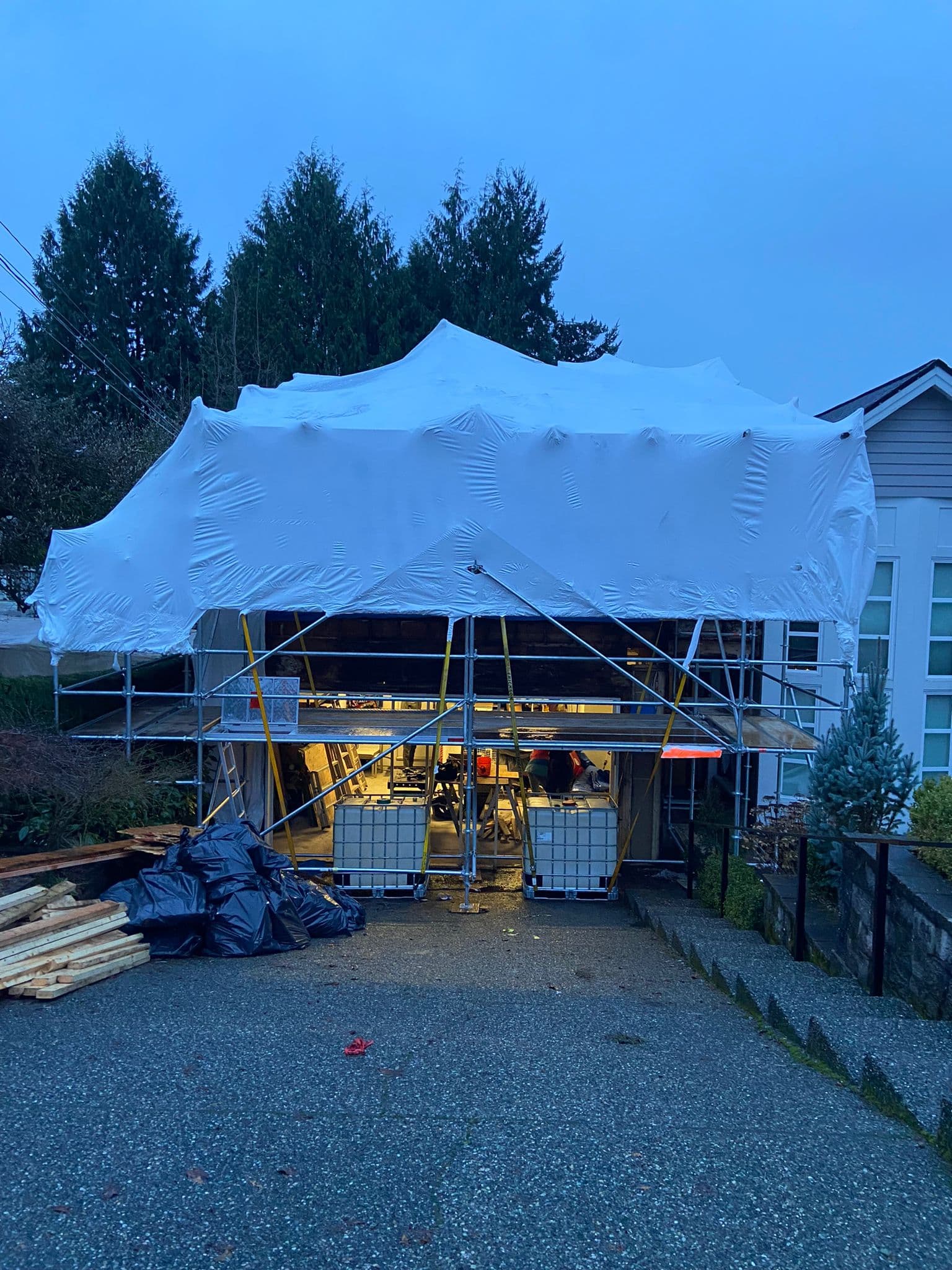
Shrink wrap scaffolding is the call most contractors make once they’ve eaten a season of weather delays and watched their schedules slip. It’s full enclosure of an active worksite using heat-shrunk polyethylene fastened over a scaffold frame. Done right, it lets trades work through rain, wind, and sub-freezing nights that would otherwise stop production cold.
This guide is for the project manager, GC, or strata property manager who’s been quoted a wrap-and-scaffold package and isn’t sure how to evaluate it. We’ll cover what shrink wrap does on a BC job site, where the cost shows up, what to prepare before the crew arrives, and where projects typically lose money on enclosure work.
Why shrink wrap matters more in the Lower Mainland than almost anywhere
Vancouver gets around 165 days of measurable rain a year. The wet season runs October through March, with November and December usually the heaviest. For exterior trades like envelope, painting, sealants, roofing, stucco, and window replacement, the productivity curve flattens to nearly nothing during sustained wet weather.
A typical envelope remediation crew in BC can lose 20 to 35 working days to weather between October and February. Multiply that by the day-rate of every trade on site (often 6 to 12 trades during peak phases), add the extension of general conditions, and the math justifies shrink wrap on a lot of jobs that wouldn’t pencil out elsewhere.
Shrink wrap doesn’t just keep rain off the work. It does three things at once:
- Maintains a working envelope around the building so trades can keep going during weather events
- Controls dust, debris, and overspray inside the enclosure so the neighbours and the city stop calling
- Holds heat from temporary heaters when temperatures drop, which keeps sealants, coatings, and adhesives within spec
That third one matters a lot in BC. Most exterior coating products have a minimum application temperature around 5°C to 10°C. From mid-November through February in Vancouver, Burnaby, Surrey, and the rest of Metro, overnight lows regularly run below that. Without enclosure and supplemental heat, the trade stops. With enclosure, the trade keeps moving.
What shrink wrap scaffolding looks like on site
The system is two layers working together. The scaffold provides the access and the structural skeleton. The shrink wrap is mechanically fastened to that skeleton, then heated with a propane gun until the polyethylene shrinks taut against the framing. The result is a tight, drum-skin enclosure that resists wind much better than tarps tied with rope.
A few specifics worth knowing.
The material is typically 7 to 12 mil polyethylene rated for outdoor use. Heavier weights resist tearing on tall buildings exposed to winter winds off Burrard Inlet or the Fraser. We default to heavier mil on anything over six storeys and on exposed waterfront sites.
Fastening uses webbing straps and heat-welded seams, not staples or duct tape. Done properly the enclosure holds against gusts of 80+ km/h, which Vancouver gets several times each winter. Done poorly it shreds in the first storm and you’re paying for a repair crew at premium rates.
Ventilation has to be planned. Sealed enclosures with heaters running create CO and humidity buildup that can fail air quality monitoring. We install passive vents at strategic points and, on bigger jobs, mechanical extraction. WorkSafeBC’s Part 4 OHS Regulation covers indoor air quality on work sites and applies to enclosed exterior work the same way it applies to interior jobs.
Inspection access has to stay clear. The wrap can’t block scaffold inspection tag locations or emergency egress points. This needs to be designed in, not patched around later.
What PMs and GCs need to prepare before the crew arrives
The fastest way to add cost and time to a shrink wrap job is making the install crew solve site-coordination problems on the fly. Here’s what should be done before they show up.
Site access and staging. The wrap material arrives in heavy rolls. The propane heating equipment and welders need a dry, secured staging area. On tight downtown Vancouver lots or strata properties with limited drive access, this needs to be coordinated with the GC and any neighbouring sites in advance. We’ve shown up to jobs where the staging zone was a hardscape patio with no vehicle access, which doubles install labour.
Strata and resident notices. On envelope remediation jobs across Burnaby, Coquitlam, New Westminster, and the West End, residents need at least 7 days’ notice before exterior work blocks balconies, windows, and views. The strata property manager usually handles this, but the GC needs to confirm timing because shrink wrap install means residents lose their view for the duration of the wrap. Skipping this step is how a clean job turns into a complaint thread that slows everyone down.
Permits and city coordination. Most Metro Vancouver municipalities don’t require a separate permit for shrink wrap on private property, but sidewalk closures, pedestrian protection, and traffic control plans usually do. Delta, Richmond, and Surrey each have slightly different requirements for street use and pedestrian routing around enclosed sites. Confirm with the city before the install date, not after.
Engineering review. For scaffolds over a certain height or carrying additional wind load from full enclosure, WorkSafeBC’s Part 13 OHS Regulation requires engineered drawings from a professional engineer registered in BC. Full shrink wrap dramatically increases wind load on a scaffold compared to open framing. The engineering review needs to happen during scaffold design, not after it’s stood up. This is where projects often lose a week.
Trade sequencing. Once the wrap is up, certain trades have to work inside it. If a roofer or window installer needs crane access from outside, the wrap layout needs cut-outs designed in. Mid-project modifications to wrap are slow and expensive.
Where shrink wrap projects typically lose money
After a lot of envelope jobs across the Lower Mainland, the same cost overruns show up.
Wrap installed too early or too late. Wrap up before the weather hits buys nothing. Wrap up after a major storm event means the trades already lost a week to delay. The window from late September to mid-October is usually right for a job that runs through the wet season.
Underspec’d material on exposed sites. Saving a few thousand dollars on lighter mil wrap looks good on the estimate. It looks awful when the first November storm shreds half the enclosure and the repair crew rebills at storm-response rates.
No ventilation plan. Sealed enclosures with propane heat fail air quality checks. WorkSafeBC officers will shut the work down until the issue is resolved. We’ve seen projects lose three to five days to ventilation retrofit that should have been designed in from day one.
Single-point access for material. The wrap creates a sealed envelope. Getting material in and out has to be planned at design stage. Cutting in new access points later means downtime, repair, and reduced wind resistance.
Wrap that overstays its welcome. Shrink wrap is designed for the season it’s installed. Leaving it up into spring UV exposure breaks it down. Bake-in dates matter, and the dismantle window has to be scheduled.
What a shrink wrap job typically costs in BC
Pricing depends on building height, scaffold complexity, wrap material weight, enclosure length, ventilation requirements, and project duration. Ballparks we typically see for full enclosure on commercial and high-rise residential in Metro Vancouver:
Wrap material and install labour usually adds 15% to 30% on top of the base scaffold package, depending on enclosure complexity. Engineering review for full enclosure on scaffolds over 9 metres typically adds $2,500 to $7,500 depending on building geometry and wind exposure. Heating costs, if you’re maintaining application temperatures through winter, can run several thousand dollars a month on a larger enclosure.
Against those numbers, a single weather-delay event on a multi-trade envelope job can easily exceed the entire wrap package cost. That’s the math most experienced PMs already know. The first wet season is what teaches it.
Every site is different, so any of those ranges shifts subject to site assessment. We won’t quote real numbers without seeing the building, the access, and the scope.
Why turnkey matters here
Shrink wrap is where rental-only scaffold yards run into trouble. Renting frames is one thing. Installing engineered enclosure that holds through a BC winter is another. The trades you need (scaffold erectors, wrap installers, heat-welders) are different specialists, and coordinating them across multiple subcontractors usually adds time and cost.
A&K runs installation, wrap and engineering under one contract. The scaffold gets designed for the load the wrap is going to add. The wrap crew works with the scaffold crew on sequencing. The engineering review covers both. When the November storm comes in and something tears, the same team that built it comes back to fix it. That single point of responsibility is what keeps your schedule from slipping when the weather doesn’t cooperate.
The compliance piece
Shrink wrap on commercial and high-rise sites in BC sits under several pieces of regulation. WorkSafeBC’s Part 13 OHS Regulation covers scaffold design and inspection. Part 4 covers indoor air quality, which applies once you’ve sealed an exterior envelope. Scaffold inspections happen at install, after modifications, and weekly during use, with inspection tags maintained on site. CSA standard CSA Z797 covers scaffold use in Canada and is referenced by WorkSafeBC.
A&K’s crews work to those standards on every job. The engineering side handles the load calculations and signed drawings when the scaffold height or wind load requires them. Inspection tags get maintained. Air quality monitoring gets set up when the enclosure is sealed. The compliance work is part of what you’re paying for, not a separate line item to chase.
When to start the conversation
If you’re managing an envelope, restoration, painting, or specialty exterior job that has to run through the BC wet season, the planning conversation should start six to eight weeks before installation. That gives time for engineering review, permit coordination, strata notices, and material procurement without compressing the install window.
For shorter-lead jobs and emergency response work (storm damage, sudden envelope failure, urgent weather protection on an active site), call the office and we will tell you what we can put on site and when. We’ve stood up emergency enclosures on hospital exteriors and government buildings inside 72 hours when the situation required it.
Call (778) 375-5349 to talk through a specific site, or request a site assessment and estimate. For the full list of scaffolding services including engineering review, hoists, and debris chutes that often pair with shrink wrap on multi-storey jobs.
Frequently asked questions
What is shrink wrap scaffolding?
Full enclosure of an active worksite using heat-shrunk polyethylene fastened over a scaffold frame. The scaffold provides access and the structural skeleton. The wrap is mechanically fastened to it, then heated with a propane gun until it shrinks taut, which resists wind much better than tarps tied with rope. Done right, trades keep working through rain, wind and sub-freezing nights.
How much does shrink wrap add to a scaffold package in BC?
For full enclosure on commercial and high-rise residential in Metro Vancouver, wrap material and install labour usually add 15% to 30% on top of the base scaffold package. Engineering review for full enclosure on scaffolds over 9 metres typically adds $2,500 to $7,500. Heating to hold application temperatures through winter can run several thousand dollars a month. All of it shifts subject to site assessment.
When should shrink wrap go up?
For a job that runs through the wet season, the window from late September to mid-October is usually right. Wrap installed before the weather hits buys nothing, and wrap installed after a major storm means the trades already lost a week. Start the planning conversation six to eight weeks before installation so engineering review, permits, strata notices and material all fit.
Does a shrink-wrapped scaffold need engineering and ventilation?
Full wrap dramatically increases wind load, and WorkSafeBC’s Part 13 requires engineered drawings from an engineer registered in BC for scaffolds over a certain height or carrying that added load. Ventilation matters too. Sealed enclosures with propane heat build up CO and humidity, Part 4 covers indoor air quality, and passive vents or mechanical extraction should be designed in from day one.