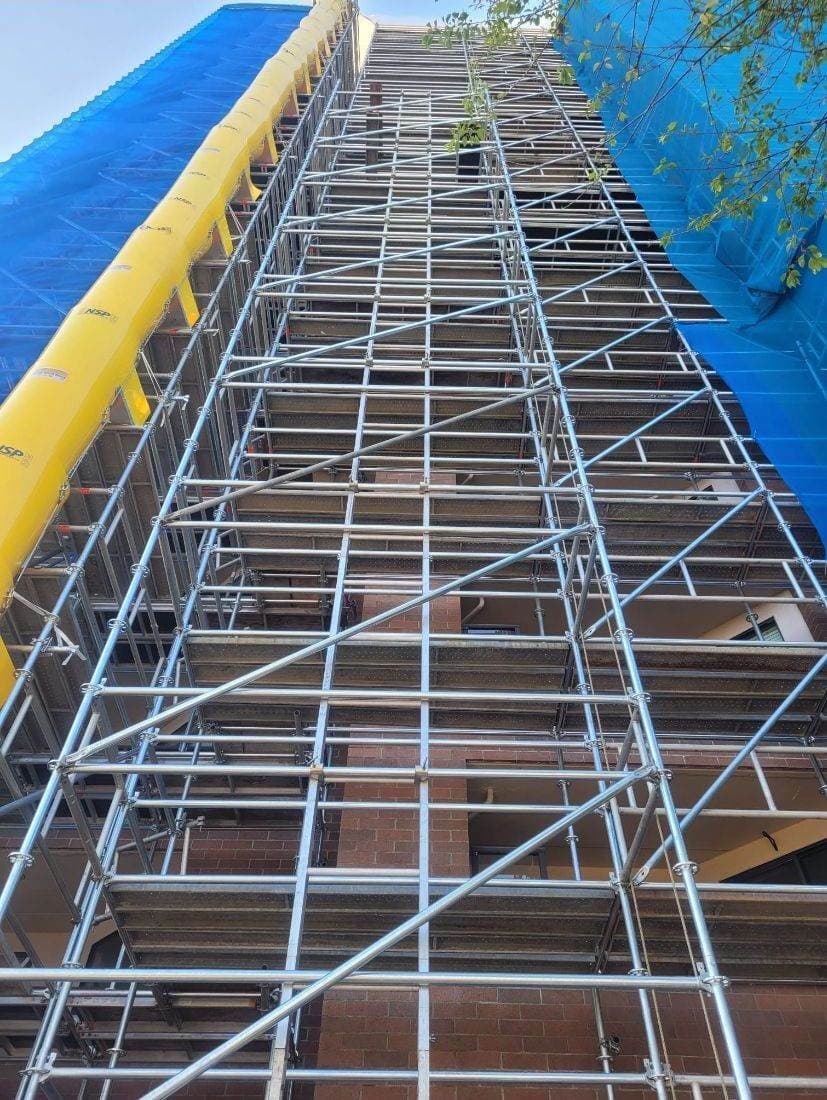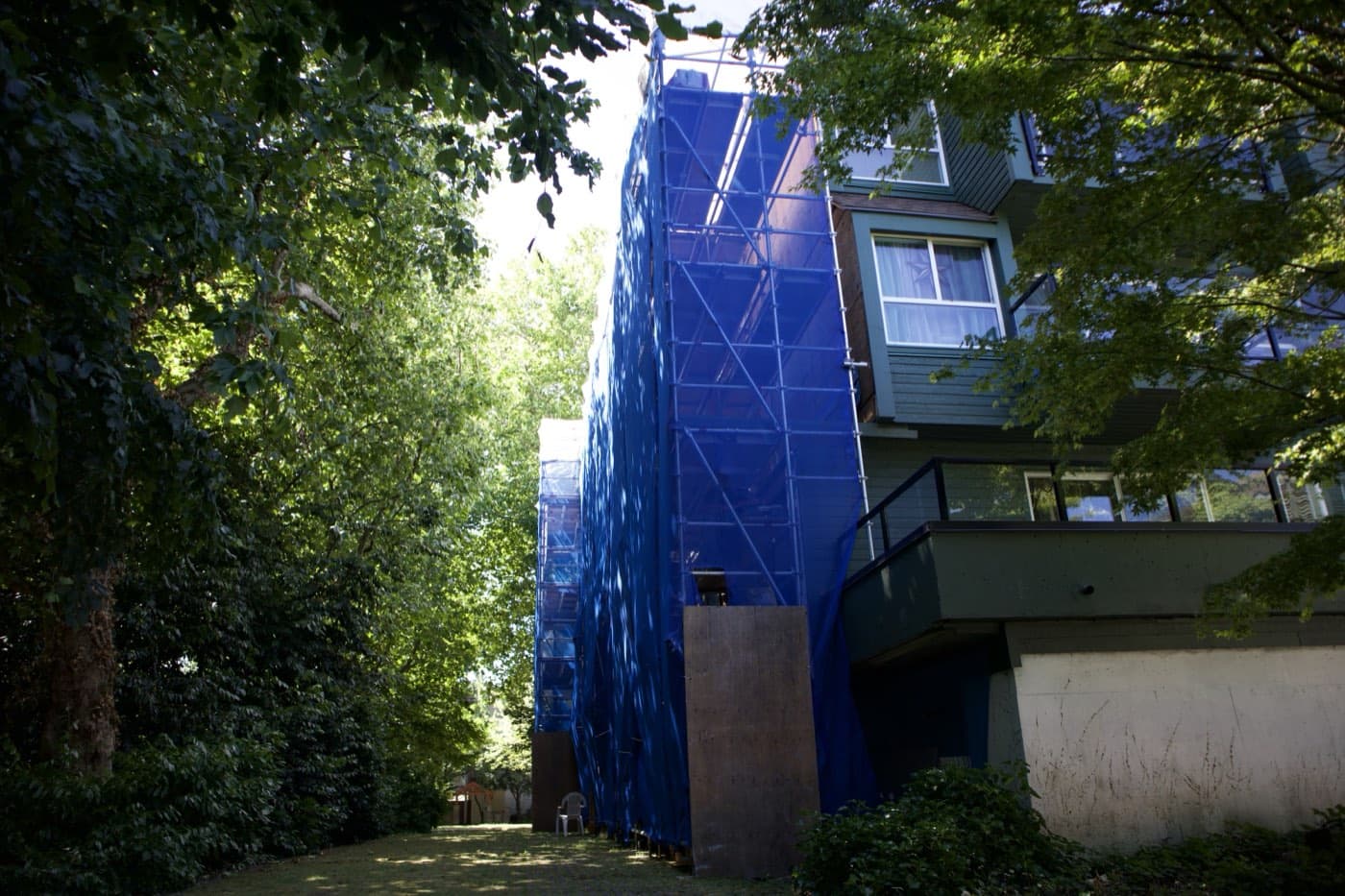
The first big southeast blow of the season tends to find the scaffolds nobody re-checked after summer. Wrap goes up on a Surrey mid-rise in October, the trades move inside, and for a couple of weeks everything works. Then a Pacific storm pushes through overnight, the sheeting drums loud enough to hear from the street, and by morning the super is asking whether the ties were ever designed for this.
That question sits at the centre of winter scaffolding in BC. Rain is what most people plan for. Wind is what loads the structure, and ice and snow are what put people on the ground. A scaffold that stood fine as an open frame in July can behave like a different structure by December, because the wrap you added to beat the rain changed how it carries load.
This guide is for GCs, project managers and strata managers running exterior work through a BC winter on the coast: what wrap does to wind load and ties, what ice does to decks, and what to settle before the first wind warning.
Why a wrapped scaffold behaves like a sail
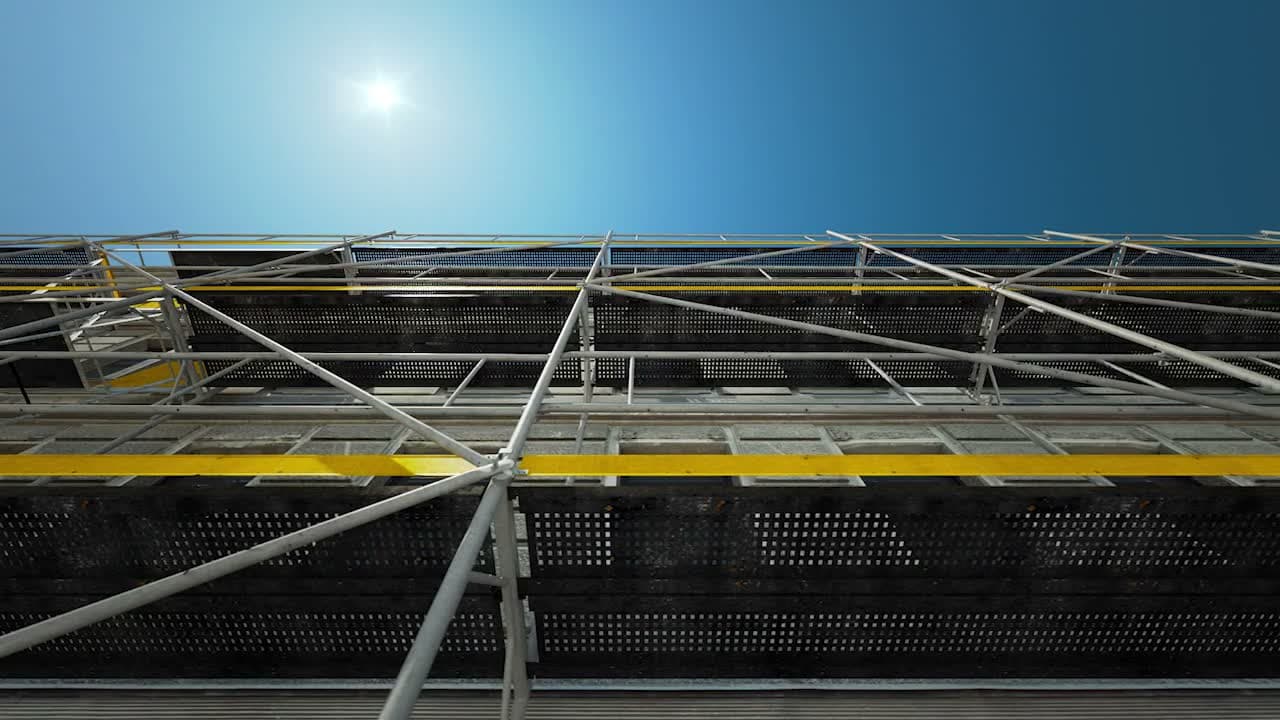
An open scaffold lets most of the wind pass straight through. Tubes, frames and planks present a small area, and the ties handle what’s left.
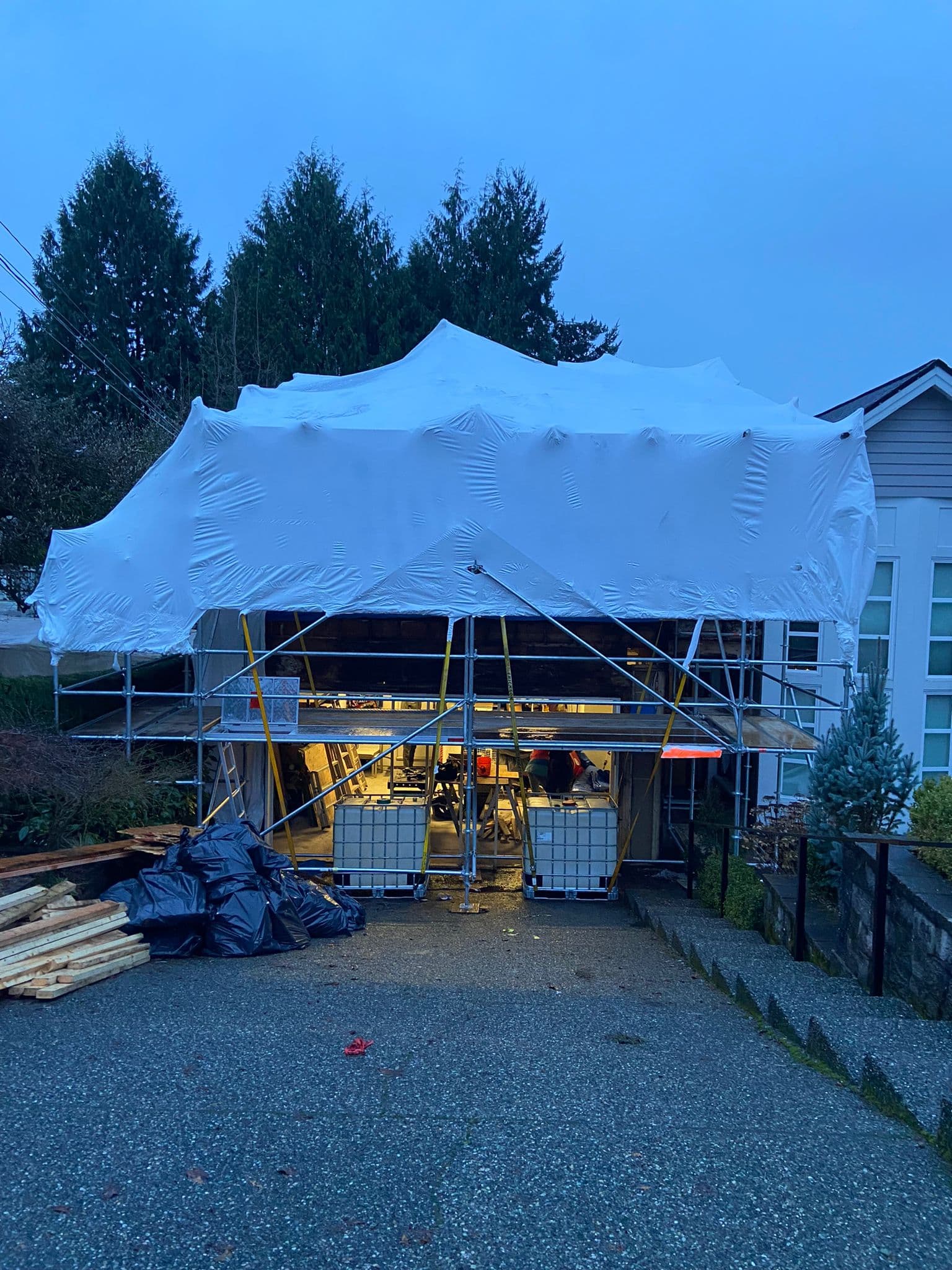
Shrink wrap closes the face. Once an elevation is sheeted, it becomes one large surface, and wind that used to pass through the frame now pushes on it. On the windward side the wind load presses the scaffold toward the building. On the leeward side, and around corners, suction pulls it away. That pull is what the ties have to resist, and open-frame tie patterns were never sized for it.
Debris netting sits in between, and banners or solid hoarding panels act much like wrap. Under WorkSafeBC’s Part 13 requirements, once a scaffold moves outside the configurations the manufacturer has published, the design gets certified by a professional engineer registered with Engineers and Geoscientists BC.
Our advice is to treat any fully wrapped scaffold on a commercial or high-rise job as an engineered scaffold from the start. The cheap time to decide that is before the first frame goes up.
Two winds that matter in the Lower Mainland
The first is the Pacific storm. From October on, systems roll in off the ocean with heavy rain and strong winds out of the southeast and southwest. Exposed sites take the worst of it: Richmond and Delta along the river and Boundary Bay, and the upper floors of towers in Burnaby and New Westminster.
The second is Arctic outflow. When cold air builds over the Interior, it drains out through the Fraser Valley and the coastal inlets as a dry, cold wind from the east and northeast. Langley, Maple Ridge and the eastern side of the region tend to feel it first. Outflow brings the hard freezes, and it blows from roughly the opposite direction to the storms.
So when you review drawings for a wrapped scaffold, check that every wrapped elevation was looked at, including the face that points away from the ocean.
What changes in the tie pattern
Ties are where winter loads end up. On a wrapped scaffold, expect three changes from the open-frame layout.
More ties, closer together. The engineer sets tie spacing from the wind load on the wrapped area, and that spacing is typically tighter both vertically and horizontally than an open scaffold needs.
Ties that hold in tension. Push is easy, because the scaffold bears against the wall. Under suction the tie has to hold the scaffold to the building, so the anchor and what it’s fixed into come under scrutiny. A tie into sound concrete is one thing. A tie into old brick, a stucco face or a heritage facade needs the engineer’s say on anchor type, and where the design calls for it, anchors get proof-tested before the wrap goes on.
Ties that stay where they were put. Trades doing winter envelope work want ties moved to reach a window or a wall section. That’s a modification, and it belongs to the scaffold crew. On a wrapped scaffold, a single tie missing in the wrong place can overload its neighbours in the next storm. We tell trades plainly: if a tie is in your way, call the scaffold crew and leave it where it is.
Ice, frost and snow on the decks
The winter incident we worry about most on a scaffold is smaller than a collapse. It’s a boot on a frosted plank first thing in the morning.
Metro Vancouver doesn’t freeze often by Canadian standards, and that’s part of the problem. Crews go weeks without seeing ice, then a clear, cold night after rain leaves a glaze on steel decks and planks that is hard to see in poor light. Late December gives the Lower Mainland only about eight hours of daylight, so the first hour on the scaffold often starts under lights. Elevation matters too. A site on Burnaby Mountain, Westwood Plateau in Coquitlam or the higher parts of Maple Ridge can be clearing snow while downtown Vancouver is only wet.
What we plan for on winter jobs:
- A deck check after any freeze, before the first trade goes up, with frost and ice cleared or treated before work starts
- Grit or a de-icing product that suits the deck surface, kept on site
- Lighting on stair towers, ladders and access points
- Snow cleared from working platforms before use, since snow adds weight to the deck (wet coastal snow most of all) and hides gaps and trip points
- A check of any flat or shallow wrapped area after snowfall, since it can hold snow and standing water
WorkSafeBC expects working surfaces to be kept free of slipping and tripping hazards, and Part 7 of the OHS Regulation deals with cold stress for the people working on them.
Base plates through a wet, freeze-thaw winter
The ground under a scaffold gets less attention in winter than the wrap above it, and it moves more.
Saturated soil softens. A sill that sat firm in September can settle after weeks of rain, and a cold snap followed by a thaw can heave a base and drop it again. A wrapped face also sheds its rain straight down to the base line, the last place you want water collecting, and low, wet ground in Richmond and Delta makes it worse. Route runoff away from the sills when the wrap goes on, check base plates at every inspection, re-level screw jacks when settlement shows, and keep other trades from trenching beside the footing line.
Heat inside the wrap
Sealants, coatings and many membranes list a minimum application temperature on the data sheet, and winter lows on the coast often sit below it. So the heaters come in, and three problems arrive with them.
Fuel-fired heaters in a sealed enclosure produce carbon monoxide, so ventilation and air monitoring get designed in. Polyethylene burns, so heater clearances from the wrap follow the heater manufacturer’s instructions, and fire-retardant wrap is the usual specification on occupied and high-rise buildings. The third gets missed most often: warm, moist air condenses on cold sheeting and drips onto the decks, where it can freeze overnight.
A plan for the wind warning
Environment and Climate Change Canada issues wind warnings for Metro Vancouver ahead of the bigger storms. Settled at a Tuesday site meeting, the response is a five-minute item. Left until 4 p.m. on a Friday with a warning out, it becomes a scramble. The plan answers five questions:
- Who watches the forecast and makes the stop-work call for the scaffold?
- Does the engineered design call for anything ahead of high winds, such as securing access flaps in the wrap or taking down banners, and who does it?
- Who clears loose planks, plywood and bags of product off the decks before the gusts arrive?
- Who inspects before anyone goes back up?
- Who repairs torn wrap or a damaged tie, and how does the site reach them?
The fourth has no flexibility. The cycle we work to under Part 13 is inspection before first use, at least weekly while the scaffold is in use, and again after anything that could have changed it, a wind storm included. Nobody climbs until a qualified person has walked the scaffold and the tag reflects that inspection.
On the fifth, a full-service contract keeps it simple: the crew that built the scaffold and hung the wrap repairs it, so nobody is reading another company’s tie layout after a storm.
Where winter jobs lose money
Most winter overruns we see trace back to a decision made in September or skipped altogether.
- Wrap added to a scaffold designed open: re-engineering, extra ties and sometimes bracing, while the trades wait
- Wrap installed after the first big storm, when the lost days have already happened and the install depends on the weather
- Light wrap on an exposed face, torn in November and repaired in wet, windy weather
- Ties moved by trades and never reported, which shows up in the next blow
- No storm protocol, so crews stand around on Monday waiting for someone to say whether the scaffold can be used
Spring belongs in the plan too. Shrink wrap is made for a season of exposure, so put the dismantle date in the schedule early.
Late October is already late
With exterior work planned through to spring, the scaffold design and the wrap decision should already be moving. The typical sequence, subject to site assessment: site review, an estimate back in 1 to 3 business days, engineering where the wrap, height or tie conditions call for it, scaffold install, then wrap.
For the site review, have the elevations or drawings, the schedule through spring, the faces that need wrap, where heat is planned, and any strata notices or street-use permits the GC or owner is handling.
How A&K runs winter jobs
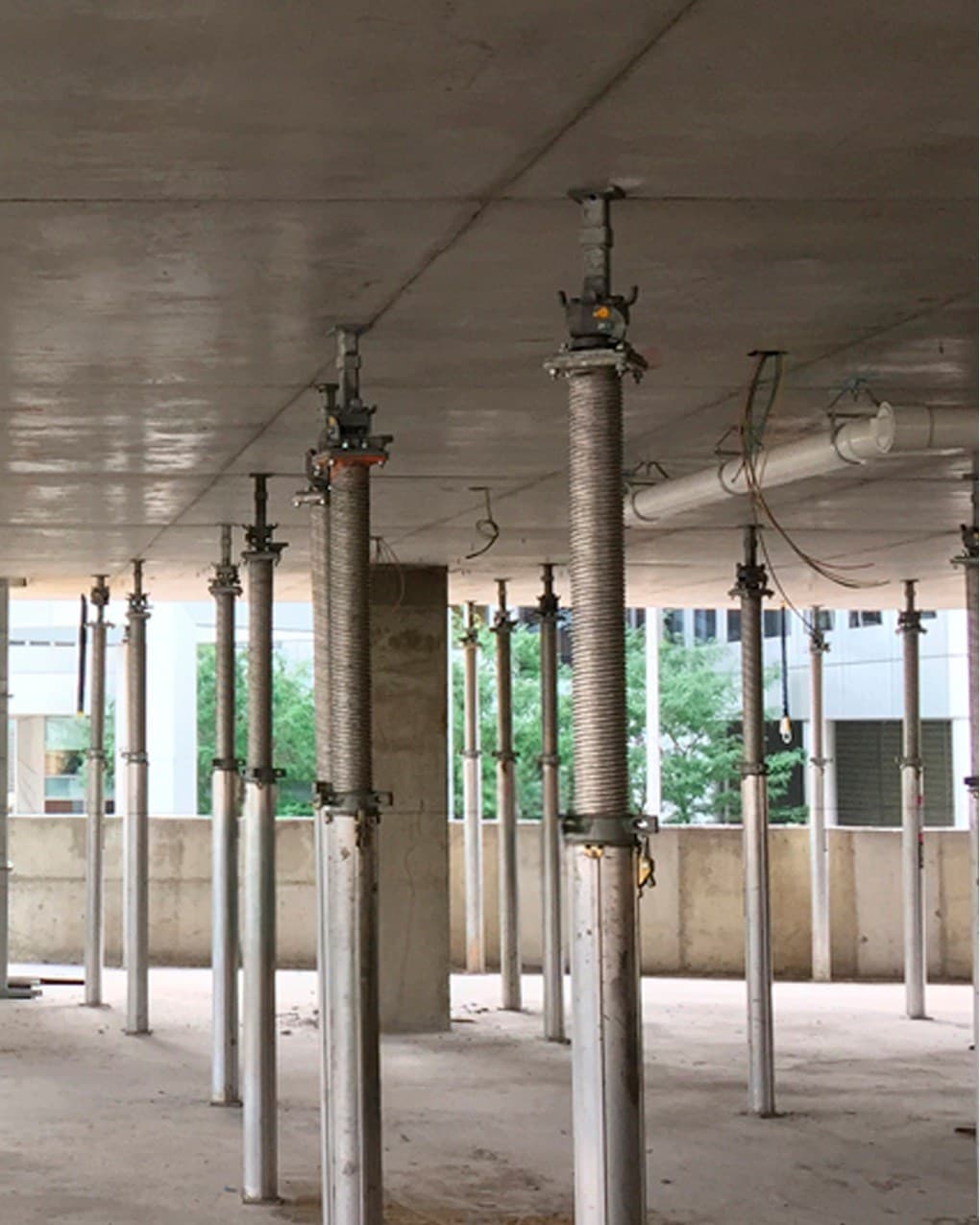
A&K handles winter work as one scope: design, engineering where needed, install, shrink wrap, weekly and post-storm inspections, repairs and dismantle in spring, with shoring, debris chutes and hoists under the same contract when the job needs them. Crews work to WorkSafeBC Part 13 requirements and CSA standards and are fully insured. We run out of Delta and work across Vancouver, Burnaby, Surrey, Richmond, Coquitlam, New Westminster, Langley and Maple Ridge. For the rain side of the same problem, our guide to shrink wrap scaffolding through the rainy season covers material, ventilation and timing.
My recommendation: if any face of your building will be wrapped this winter, have the scaffold designed as a wrapped scaffold from day one, even if the wrap goes on weeks later. Adding ties to a finished scaffold costs more than drawing them in at the start, and it happens at the worst time of year.
Planning exterior work through the winter?
Call (778) 375-5349 or request a free estimate for your site, and we’ll come back with a number in 1 to 3 business days. The full list of services under one contract, from shoring to debris chutes, is on the main site.
Frequently asked questions
Does shrink wrap change the wind load on a scaffold?
Yes. An open scaffold lets most of the wind pass through, while a wrapped face turns the whole elevation into one large surface. Wind presses on the windward side and pulls the scaffold away from the building on the leeward side and around corners, and the ties have to resist that pull. Once a scaffold moves outside the manufacturer’s published configurations, a professional engineer registered with Engineers and Geoscientists BC certifies the design.
Does a wrapped scaffold need more ties?
Typically, yes. The engineer sets tie spacing from the wind load on the wrapped area, and that spacing is usually tighter than an open scaffold needs. Ties have to hold the scaffold to the building in tension, so the anchor type and the material it goes into get checked, with proof-testing where the design calls for it. Trades should leave ties alone and call the scaffold crew if one is in the way.
What should happen to a scaffold after a wind storm?
Nobody goes back up until a qualified person has inspected it and the tag reflects that inspection. The usual cycle under Part 13 is inspection before first use, at least weekly while in use, and again after anything that could have changed the scaffold, and a wind storm is the clearest example. Loose material should come off the decks before the wind arrives, and the stop-work call should be assigned in advance.
When should winter scaffolding in BC be planned?
Before the storm season starts. Wrap installed after the first big storm means the lost days have already happened, and the install itself then depends on the weather. Book the site review early and have the scaffold designed as a wrapped scaffold from the start. A&K comes back with a free estimate in 1 to 3 business days, with engineering and install timing subject to site assessment.